





Feeling overwhelmed by sadness or a lack of interest in activities you once enjoyed? It might be time to consider taking an online depression test.

Understanding Depression
Depression, or major depressive disorder, is characterized by persistent feelings of sadness, hopelessness, and a lack of interest in activities. It can significantly impact your daily life, relationships, and overall well-being. Common symptoms include changes in sleep patterns, appetite, energy levels, and concentration. If these symptoms persist for more than two weeks, it may indicate depression.
How is Depression Diagnosed?
Diagnosing depression typically involves a clinical interview with a mental health professional, who will assess your symptoms based on criteria from the Diagnostic and Statistical Manual of Mental Disorders (DSM-5). However, for those who are unsure or hesitant to seek professional help, online depression tests can provide a preliminary assessment of your mental state.
Online Depression Tests
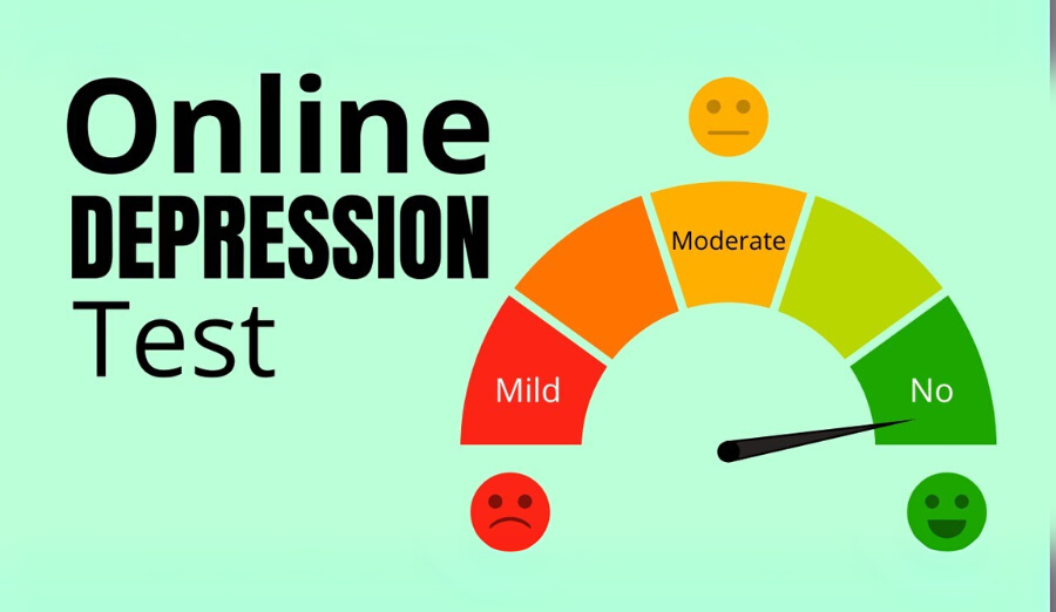
Online depression tests are convenient tools that allow you to evaluate your symptoms from the comfort of your home. These tests are not diagnostic tools but can help you identify whether you might be experiencing depressive symptoms. Here are some recommended platforms and apps for taking an online depression test:
-
Mental Health America (MHA) Screening
-
Website: Mental Health America
-
Features: This platform offers a scientifically validated depression test that assesses symptoms over the past two weeks. It's free, quick, and confidential.
-
Talkspace
-
Website: Talkspace
-
Features: Talkspace provides a short online depression test and connects you with licensed therapists for further support.
-
Smokefree.gov
-
Website: Smokefree.gov
-
Features: This site offers a quiz based on the Quick Inventory of Depressive Symptomatology (QIDS–SR16), which can help identify depressive symptoms.
-
WHO Depression Self-Assessment Tool
-
Website: WHO
-
Features: This tool assesses depressive symptoms and provides a score based on your responses.

Mobile Apps for Depression
In addition to websites, several mobile apps are designed to help manage depression and provide depression tests. Here are some highly recommended apps:
-
Pacifica (now Sanvello)
-
Features: Offers mindfulness exercises, mood tracking, and access to community support. It has a high rating for behavior change.
-
Wysa: Anxiety and Depression Bot
-
Features: Provides AI-driven support with mindfulness exercises and mood tracking. It's known for its engaging interface and helpful resources.
-
InnerHour: Live Happier
-
Features: Focuses on self-management strategies, including mindfulness and social support. It addresses multiple aspects of depression management.
-
DTest
-
Features: A simple app that uses a standard 9-question test to track your mental health over time. It includes a history chart and resources for seeking help.
Taking the Next Steps
After completing an online depression test, if you find that you are experiencing symptoms of depression, it's crucial to seek professional help. Mental health professionals can provide a definitive diagnosis and develop a treatment plan tailored to your needs.
Conclusion
Recognizing the signs of depression is the first step towards healing. Online depression tests can be a valuable tool in this journey, offering a preliminary assessment of your mental health. By understanding your symptoms and seeking support, you can begin to manage depression and improve your quality of life. Remember, you are not alone, and there are many resources available to help you navigate this process.
Additional Resources:
-
AkiliHealth, Booster Buddy, Depression Manager, and Lift: These apps are highly rated for addressing multiple aspects of depression management, including medication adherence, social support, and exercise.
-
Calm and Daylio: While not primarily depression tests, these apps offer tools for mood tracking and relaxation techniques that can complement your mental health journey.
By leveraging these resources and taking proactive steps towards understanding your mental health, you can begin to overcome the challenges of depression and find a path towards recovery.